Choosing which pro bono matters to take on is one thing. Pledging millions in free legal work under the threat of government action is another.
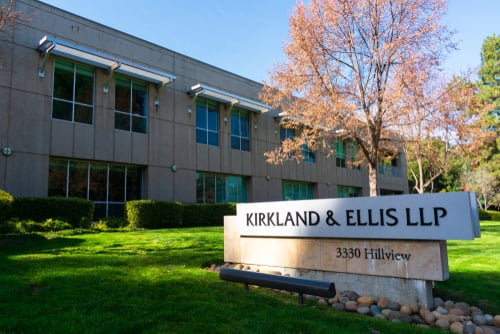
For Kirkland & Ellis, that distinction is now under congressional scrutiny. According to Democratic lawmakers, Kirkland’s unpaid assistance to federal agencies and entities has reached a value of at least $11.8 million since the firm struck its 2025 deals with the White House.
The question goes beyond the billable hours: How much say do lawyers retain over the work?
The $125 Million Deal
Kirkland joined eight other major firms in reaching arrangements with the White House in 2025. Those agreements included commitments to provide free legal services to causes supported by President Donald Trump, amid threatened executive actions targeting law firms and scrutiny of their diversity-related employment practices. Together, the firms pledged nearly $1 billion in legal services.
For Kirkland, the commitment was $125 million. According to a November 5 letter from its outside lawyer, Beth Wilkinson of Wilkinson Stekloff, the firm started up settlement negotiations after Skadden’s agreement with the administration became public on March 28, 2025. Paul Weiss had been the first firm to strike a deal.
Wilkinson’s letter described separate agreements with the president and the Equal Employment Opportunity Commission, which had been scrutinizing diversity-related employment practices at Kirkland and other firms. Wilkinson explained that Kirkland wanted to avoid extended litigation and disruptive inquiries affecting its clients and employees without materially changing its business or ability to represent clients.
That is the firm’s explanation for making the agreements. Lawmakers are examining what happened afterward.
Who Got the Free Help?
The lawmakers valued Kirkland’s assistance to Commerce at approximately $4 million and its Defense work at another $2.2 million. Kirkland’s other engagements included representing the Postal Service, an investment entity established through a U.S.-Japan agreement, and the U.S. International Development Finance Corporation. These figures describe the reported value of legal services, not cash payments to the government.
But the dollar amounts only tell part of the story. They identify recipients without fully explaining how each assignment was selected. The lawmakers are seeking records showing who requested the work, what services the firms agreed to provide, and the hours and billable value of the work performed.
Kirkland’s Case
Is representing the government for free necessarily a departure from Kirkland’s usual practice? The firm says no.
Wilkinson wrote that Kirkland viewed its current federal assignments as significant legal work it would have accepted without an agreement with the administration. She also said the agreements had little effect on its free representation of nongovernmental clients and had not constrained its decisions about which pro bono matters to pursue.
Her letter pointed to earlier government representations, including work for the Minnesota Department of Human Rights from 2020 to 2022 during its investigation of the Minneapolis Police Department following George Floyd’s death. Kirkland also advised the Department of Homeland Security on reviews of Secret Service practices in 2014–2015 and again in 2024.
Kirkland’s position is that the federal assignments fit within its history of representing government clients without charge and that it remains free to choose its pro bono matters.
Where Kirkland Said No
The firm did not agree to every proposed assignment.
The lawmakers said Kirkland declined proposed assignments concerning a name change for the John F. Kennedy Center for the Performing Arts and the construction of an arch in Washington, D.C. Kirkland also turned down requests to assist with disputes over how the Postal Service processes mail ballots.
Those refusals provide another piece of the picture: Kirkland reportedly exercised discretion over at least some requests. They do not, by themselves, resolve how the broader agreement affected the firm’s decisions. The lawmakers want to know whether other firms received similar requests and what they agreed to do.
Following the Paper Trail
Rep. Jamie Raskin and Sens. Richard Blumenthal and Adam Schiff, all Democrats, have renewed their demands for documents concerning the deals, including requests that firms undertake legal work without charge or at reduced rates. Their follow-up requests went to the other eight firms that reached agreements and to Sullivan & Cromwell, which reportedly helped negotiate Paul Weiss’s deal.
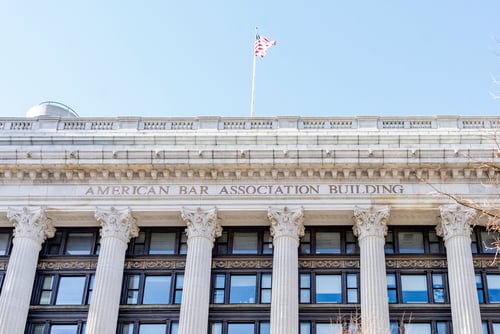
A separate lawsuit could also produce more information. In its 2025 lawsuit, the American Bar Association alleged that the administration used executive orders, public remarks and other measures to unlawfully intimidate law firms.
A federal judge has ordered the White House to produce agreements with the nine firms that made deals, along with communications involving those firms and five others that were targeted. But this is not a determination that the administration’s alleged intimidation policy was unlawful.
For now, the disclosures identify several recipients and put the value of Kirkland’s work at at least $11.8 million, according to the lawmakers. The outstanding records could help answer the harder question: how requests for that work became assignments, and how much discretion the firms retained along the way.