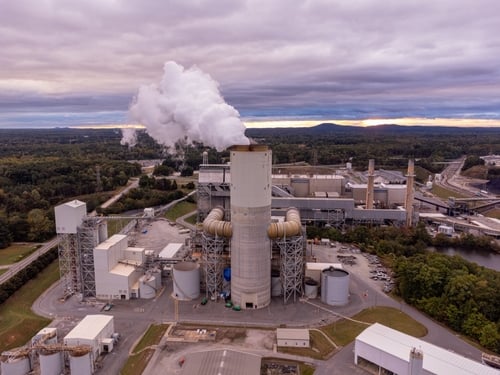
In 2024, the Biden administration adopted rules intended to reduce greenhouse-gas emissions from some coal and natural gas power plants. The rules encouraged some power plants to use carbon-capture technology, which is designed to keep carbon dioxide from entering the atmosphere. EPA estimated that the standards would prevent about 1 billion metric tons of carbon dioxide emissions through 2047.
Trump’s EPA has now finalized a repeal of most of those rules. The agency concluded that the rules exceed its authority under the Clean Air Act and maintains that the 2024 greenhouse gas emission standards required untested technology like carbon capture and storage, forcing power companies to retire fossil fuel plants rather than setting standards operators could actually meet. Environmental groups and critics are likely to challenge that reasoning in court.
The EPA also claims the 2024 greenhouse gas emissions rules did not account for the U.S. Supreme Court’s ruling in West Virginia v. EPA, which found the major questions doctrine barred the EPA from using the Clean Air Act to manipulate Americans’ energy choices. The 2022 decision addressed the Obama administration’s 2015 emission standards for new fossil fuel-fired power plants.
“The 2024 rule was another example of the Democrats’ war on America's natural resources and attempted to achieve the same unlawful fuel-shifting goals of the Obama-era Clean Power Plan,” said the EPA in its press release.
The Natural Resources Defense Council characterized the EPA’s actions as part of the Trump Administration’s broad attack on reasonable actions to tackle climate change. It noted that the Clean Air Act requires the EPA to issue standards to reduce emissions from sources like power plants that significantly contribute to climate pollution. “Repealing these standards without a replacement is an abdication of EPA’s legal responsibility to protect public health,” the NRDC said in a statement.
EPA Eliminating All Greenhouse Gas Emission Standards
In addition to repealing the 2024 emissions rules, the EPA proposed eliminating all of its greenhouse gas emissions standards for power plants. The agency maintained that Section 111 of the Clean Air Act does not give it the authority to regulate power plant emissions based on climate change. The EPA said models continue to show that greenhouse gas emissions from power plants have no material impact on global climate change. “In fact, if all carbon dioxides were eliminated tomorrow, there would be no meaningful climate impact,” the press release argued.
The greenhouse gas emissions targeted in the 2024 rules are global in nature, and any possible harm to public health is too uncertain or remote to tie directly to the U.S. power sector, the EPA said. Because of that, the agency is proposing that it is not within its scope to regulate greenhouse gas emissions from power plants. If the rules are finalized, the EPA said U.S. businesses will be empowered to unleash “the full potential of American energy and provide it at an affordable price for families.”
The rollback might lead to cost savings for the owners of power plants powered by fossil fuels, but the Environmental Defense Fund said the EPA has refused to take into account the massive health costs to Americans exposed to their pollution. Those individuals will be facing more illness, an increased number of hospital visits, and the possibility of premature death. In addition to the health costs, the rollback of greenhouse gas emissions limits would result in $1.8 trillion in cumulative climate-related harm through 2047, the EDF claimed.
Green Light for Greenhouse Gas Emissions
The EPA’s proposed rollback of nearly all greenhouse gas emission standards for power plants clearly signals that the Trump administration’s EPA has no interest in enacting or enforcing rules to minimize the impact of climate change. While administration officials have often claimed climate change is a hoax, the proposed rules show that the administration is taking action based on those claims. The move appears to be an attempt to give the power sector a green light to operate without worrying about future EPA enforcement. It may also signal other industries that emit greenhouse gases the administration will support deregulation.
By stating clearly that the EPA lacks authority to enact future greenhouse gas restrictions under Section 111 of the Clean Air Act, the proposed rules will also make it harder for future presidential administrations to change the agency’s position. The current Supreme Court has not been receptive to arguments supporting expanded EPA regulation of power plants burning fossil fuels. The EPA’s new position that the agency lacks authority to make rules regarding greenhouse gas emissions from power plants to begin with adds another hurdle that a future administration would need to clear when arguing before a high court that rarely rules in favor of new regulatory powers.