
What the reinstated rule means for students
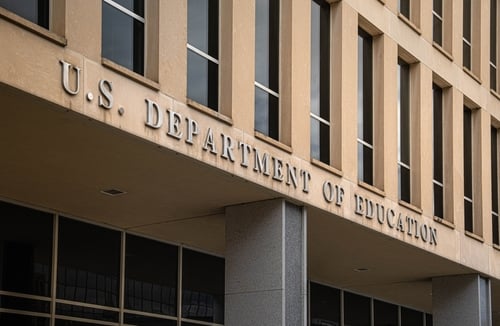
The U.S. Department of Education (DOE) has rescinded 2024 Title IX regulations issued by the Biden administration that interpreted the statute as barring educational institutions from discriminating based on a student’s sexual orientation or gender identity. However, the change should have no meaningful impact on Title IX enforcement because a January 2025 federal district court vacated the 2024 regulations nationwide and the DOE has already stopped enforcing them.
A fact sheet on the change released by the DOE Sept. 28 said the removal of the 2024 final rule implemented by the Biden administration would ensure the regulations reflect Congress’s intent for Title IX of the Education Amendments of 1972. The 2024 final rules defining sex-based harassment did not address whether transgender athletes had the right to participate in girls’ or women’s sports, and the newly issued regulations do not touch on the issue.
Organizations advocating for the civil rights of LGBTQ+ students were quick to condemn the repeal and note that it was implemented without offering the public the opportunity to comment on the new rules. A statement issued by the Human Rights Campaign noted that, in addition to protecting students based on their sexual orientation and identity, the 2024 regulations provided protections for pregnant and parenting students, and strengthened protections for all students.
DOE: Regulations Offer Common-Sense Protections
The DOE said that in passing Title IX, Congress intended to implement common-sense protections to ensure students receive an education and participate fully in school activities without sex-based discrimination. Under Title IX, no person may be excluded from any education program or activity receiving federal funding on the basis of their sex. The types of discrimination covered by Title IX include sex-based harassment, sexual violence, the failure to provide equal athletic opportunities, sex-based discrimination in school programs, and pregnancy discrimination.
While it stopped enforcing the 2024 regulations in January 2025, the DOE said ongoing litigation regarding the Biden administration’s regulations prevented it from taking additional action at that time. Litigation concluded in August 2026, allowing the department to formally remove the 2024 regulations from the Code of Federal Regulations.
The department said it needed to formally remove the 2024 regulations from the Code of Federal Regulations to provide clarity and eliminate confusion about whether Title IX’s legal protections cover sexual orientation and gender identity. The final regulations were published on Sept. 29 in the Federal Register.
Cross-Examination Provision Dropped
The 2020 changes to the Title IX regulations implemented by the first Trump administration included a provision stating that Title IX complaints filed against colleges and universities must be adjudicated through a live hearing. The hearing would include cross-examination by advisors for the reporting party and the accused person. If the parties didn’t appear or refused to answer a relevant question on cross-examination, then the regulations said the decision-maker can’t consider the party’s statements when making the determination.
A group of students and advocacy organizations challenged that rule and others implemented in the 2020 regulations by asking a Massachusetts federal court to block their implementation. The court’s decision in Victim Rights Law Center v. Miguel Cardona found the DOE acted arbitrarily and capriciously by requiring decisionmakers to disregard statements made outside a hearing by parties and witnesses who were not subject to cross-examination. The judge found the provision meant the decisionmaker could not access police reports, sexual assault nurse examiner reports, eyewitness statements, or even confessions when making their determinations.
The judge vacated the provision after finding the rule created opportunities for a party responding to allegations they violated Title IX to not attend a hearing to avoid incriminating themselves and to encourage other witnesses not to appear to be questioned. “This is not some extreme outlier or fanciful scenario. No attorney worth her salt, recognizing that -- were her client simply not to show up for the hearing -- an ironclad bar would descend, suppressing any inculpatory statements her client might have made to the police or third parties, would hesitate so to advise,” the judge wrote.
In response to that ruling, the DOE’s new regulations do not reinstate the provision in the 2020 regulations addressing cross-examination. The Department of Education said it deleted the vacated language rather than attempt to revise it through a rulemaking intended to restore the pre-2024 text.
The Takeaway: Few Changes Expected
Given that the DOE has already stopped enforcing the provisions applying Title IX with regard to sex discrimination based on sexual orientation and gender identity, it is unlikely the recently announced regulations will impact enforcement actions. The new regulations simply return the rules to the status quo before the Biden administration's 2024 changes. However, eliminating the provision that limited decisionmakers in Title IX actions to statements made under cross-examination is likely good news for advocates for sexual harassment victims bringing claims, because it ensures decisionmakers can consider all available evidence.


