
South Dakota Voting Guide
Key Takeaways
Voting in South Dakota requires eligible residents to register at least 15 days before an election and new voters to provide proof of citizenship. Eligible voters must be U.S. citizens, South Dakota residents, and 18 years old by Election Day, with no unresolved felony convictions or court-declared mental incompetence. Voters can cast ballots in person at polling places with valid photo ID or request absentee ballots to vote by mail.
Welcome to FindLaw’s South Dakota Voter Guide. In this article, we’ll answer your questions about voting in the next South Dakota election, voter eligibility, voter registration, registration deadlines, mail-in and in-person voting, special accommodations for disabled South Dakota voters, and what you can do if you see illegal activity at the polls.
South Dakota Voter Registration Requirements
In March 2026, the governor signed SB175. This new state law requires all new voters in South Dakota to provide proof of citizenship to register to vote. The law only affects new voters and does not affect a voter’s right to vote in federal elections.
SB175 does not affect anyone currently registered to vote. South Dakota voters who are already registered can still vote in both state and federal elections.
New voters and those restoring their voting rights after being removed from the voter rolls must comply with the new requirements to vote in state elections. In addition to existing requirements, voters must provide acceptable proof of citizenship. This can include:
- A South Dakota driver’s license or non-driver identification card issued after July 1, 2025
- An ID from another state with verified citizenship
- A tribal ID card
- A photocopy of a birth certificate, U.S. passport, certificate of naturalization, or document approved by the South Dakota Secretary of State‘s office
South Dakota residents who do not provide proof of citizenship may register to vote as federal voters. SB175 requires state and county election offices to maintain a separate voting list of federal-only voters. Voters who cannot provide proof of citizenship and residency will be registered as federal voters only.
When Is South Dakota‘s Voter Registration Deadline?
You must submit your voter registration application at least 15 days before the election date. Unlike some other states, South Dakota doesn’t offer same-day voter registration.
The official South Dakota election calendar lists upcoming elections.
Who Can Vote in South Dakota
To be eligible to vote in South Dakota, you must meet specific criteria. The requirements you must meet for voting eligibility in South Dakota include:
- You must be an American citizen
- You must reside in South Dakota
- All voters must be 18 years old by Election Day
You are not eligible to vote in South Dakota if:
- You have a felony conviction and have not been discharged from your sentence, including any incarceration, parole, or probation
- The South Dakota courts have declared you mentally incompetent
Once you are discharged from your felony sentence and have finished any required parole or probation, you’ll regain your right to vote. If you must renew your registration, you will need to provide proof of citizenship under the new voter registration laws.
A suspended sentence does not necessarily preserve your voting rights. If you have a felony conviction and have not been discharged from your sentence, you may be ineligible to vote.
You can check your voting status on the South Dakota Secretary of State‘s website.
Where Do I Vote?
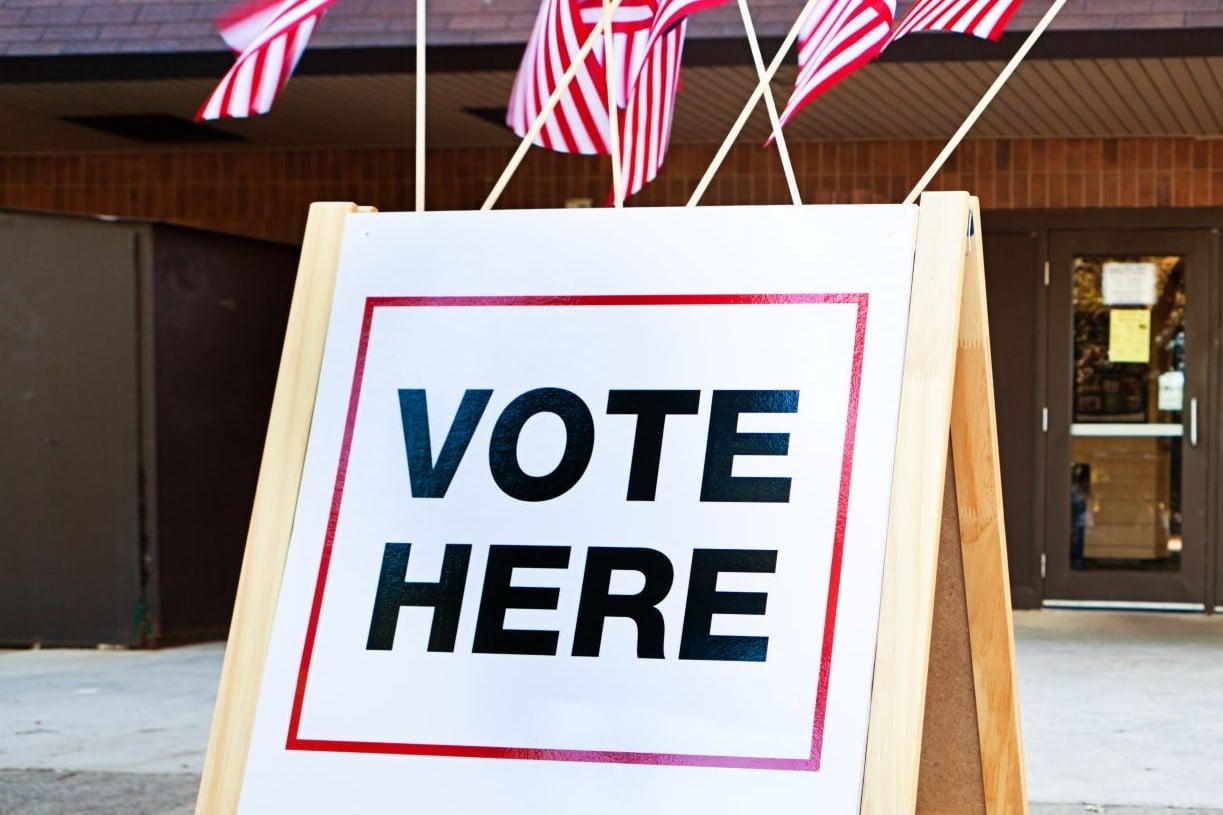
Enter your voter registration information into the South Dakota Secretary of State Voter Information Portal to find your local polling place, voter information, and a sample ballot.
 POLLING PLACE FINDER
Where Do I Vote?
Enter your voter registration information into the South Dakota Secretary of State Voter Information Portal to find your local polling place, voter information, and a sample ballot.
Did FindLaw Help You Understand This Legal Issue?
Make It a Preferred Google Search Source
How To Register in South Dakota
There are several ways to register to vote in South Dakota. This includes registering:

In Person

Online

At the DMV

By Mail
South Dakota Voting Resources
Your vote counts. Take the time to learn how and when to vote.


You Don’t Have To Solve This on Your Own – Get a Lawyer’s Help
Meeting with a lawyer can help you understand your options and how to best protect your rights. Visit our attorney directory to find a lawyer near you who can help.