Find a Lawyer
Voting in North Dakota
  1. FindLaw
  2. Learn About The Law
  3. Voting
  4. North Dakota Voting Guide

North Dakota Voting Guide

North Dakota voting laws govern who is eligible to vote, how to vote, and what voter identification is needed. To vote in North Dakota, you must be 18 years old, a U.S. citizen, and North Dakota resident for 30 days before the election.

North Dakota’s election system is designed to ensure that every qualified elector, regardless of political party, can participate in elections at every level. As the only state in the nation that doesn’t require voter registration, North Dakota verifies eligibility at the polls. Local and state election officials use identification rather than pre‑registration lists. Whether you live in Bismarck, Fargo, or anywhere else in the state, understanding how this system works can help you navigate the voting process.

This article outlines key voting rights and election information for North Dakotans. It examines how identification works in a system without voter registration. We’ll explain what you can expect when voting on ballot measures and in special, primary, or general elections. The guide will also provide additional information about voter protections at the polls to help you spot unlawful activity.

If you encounter conduct that interferes with your ability to vote or other challenges, consider touching base with a lawyer. A North Dakota civil rights attorney who’s well-versed in election issues can help clarify your options. That way, you can make an informed decision about the best path forward.

In the meantime, let’s start by outlining some of North Dakota’s voting rights.

Voting Rights in North Dakota

Federal and state law ensure certain voter protections. They’re designed to make sure every eligible North Dakotan can cast a ballot freely, privately, and without intimidation or discrimination. Some of these rights include:

  • The right to cast a private ballot: No one may watch you complete your ballot or pressure you to vote a certain way
  • The right to receive assistance: If you need help because of a disability, limited English proficiency, or any other reason, you may ask poll workers for assistance or bring someone with you (other than your employer or union representative)
  • The right to a “set‑aside” ballot: If there is a question about your identification or eligibility, you may cast a set‑aside ballot (also known as a provisional ballot). Election officials review these ballots after Election Day and count them once eligibility is confirmed
  • The right to stay in line: If you are in line when the polls close, you have the right to remain in line and cast your ballot
  • The right to correct mistakes: If you make an error while marking your ballot, you may ask poll workers to spoil it and issue a replacement
  • The right to accessible voting: Polling places must be accessible to voters with disabilities, who can request curbside voting if access isn’t available
  • The right to be free from intimidation: No one may threaten, harass, or interfere with you at or near your polling place, including attempts to block your entry, question your eligibility without cause, or pressure you about your choices

Every eligible North Dakotan has the right to cast a lawful ballot. Protecting that right helps keep elections fair, secure, and accessible.

Voting Eligibility in North Dakota

North Dakota refers to people who meet the state’s voter eligibility criteria as qualified electors. To vote in a North Dakota election as a qualified elector, you must be:

  • A U.S. citizen
  • A legal resident of North Dakota
  • A resident of your precinct for at least 30 days before the election
  • 18 years old by or on Election Day

You cannot vote in North Dakota if you’re currently incarcerated for a felony conviction. Voting rights are restored immediately upon release, even if the person is still on parole or probation.

Individuals who’ve been declared mentally incompetent by a North Dakota court are disqualified from voting.

Where Do I Vote in North Dakota?

To find your local polling place, visit the Voting In Person and Where page of the Secretary of State’s website.

Wait. I Don’t Need To Register To Vote in North Dakota?

That’s correct. North Dakota is unique in that it’s the only U.S. state with no voter registration program. However, you do have to show a valid form of identification when you go to the polls.
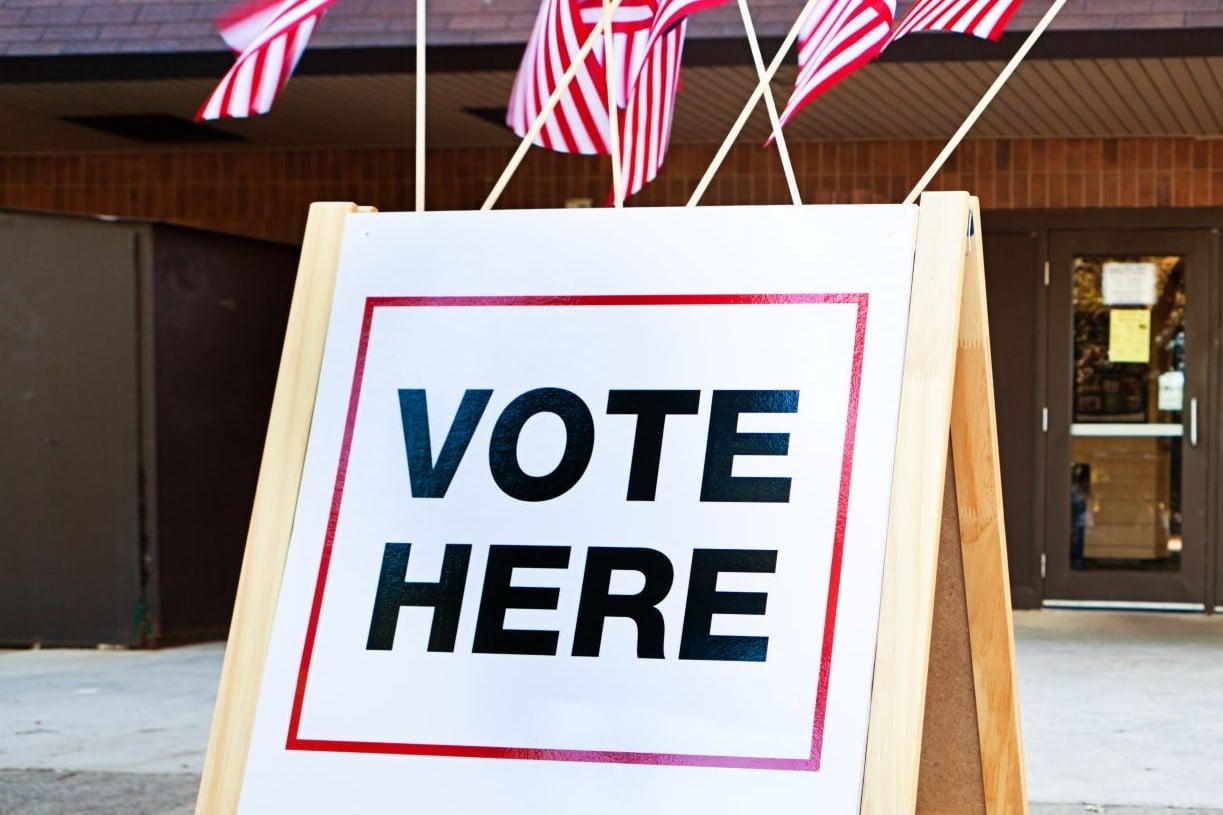
How To Register in North Dakota

North Dakota is unique among American states in that it is the only U.S. state that does not have an official voter registration program. However, you do have to show some acceptable form of personal identification when you go to the polls.

Voter ID Requirements in North Dakota

Because North Dakota doesn’t have a voter registration system, polling places rely on personal identification to verify voters’ eligibility. This identification must include your photo ID and your:

  • Name
  • Current North Dakota residential address
  • Date of birth

As long as they meet these criteria, the following forms of ID are accepted at the polls:

If your ID is missing your current residential address, you may present supplemental documents (such as a utility bill or pay stub) to provide the missing information. These documents cannot replace the required ID itself.

If you don’t have one of the four acceptable forms of ID when you arrive at your voting location, you may vote using a set‑aside ballot. You’ll need to show one of the four acceptable IDs to your county auditor’s office within six days after Election Day for your ballot to count. You can do this in person or by mailing, emailing, or faxing a copy of your acceptable identification.

North Dakota no longer allows attesters to verify a voter’s identity or address.

Can I Request an Absentee Ballot in North Dakota?

Yes. North Dakota allows early voting and no-excuse absentee voting. Any North Dakotan eligible to vote can complete an absentee/mail ballot application to obtain an absentee ballot.

There are a few ways you can get an application:

  • Download it online: From the North Dakota Secretary of State’s Office website
  • Contact your county auditor: They can mail it to you
  • Pick one up in person: At your county auditor’s office or designated public offices like libraries and city hall

After completing the application with the mailing address where you’d like your absentee ballot sent, you can mail, hand‑deliver, email, or fax it to the county auditor. Regardless of how you return the application, the county election office will then mail a ballot allowing you to vote absentee. Submit your application early enough so your absentee ballot can be mailed to you and returned on time.

Casting Your Absentee Ballot

Once your absentee ballot arrives, fill it out carefully and follow the instructions. Place your completed ballot in the return envelope and be sure to sign the outside envelope. Your signature must match the one on your application.

You can return your ballot by mail or by hand-delivering it to your county auditor’s office. If you hand‑deliver it, it must get there by 5 p.m. the day before Election Day.

If you mail your ballot, it must have a postmark before Election Day and arrive before the canvass. This is when the county election board meets to certify election results, which occurs three to 13 days after Election Day.

Special Accommodations for North Dakota Voters

People with disabilities can request assistance from a polling place worker. In addition, each polling place must provide an accessible ballot-marking device. Voters may also request curbside voting by contacting poll workers from their vehicle.

Illegal Activity at the Polls

Federal and state law protect every eligible North Dakotan’s right to cast a ballot freely and without interference. Although serious problems at polling places are infrequent, it’s important to recognize unlawful behavior when it occurs.

Examples of illegal conduct at North Dakota polling locations include:

  • Electioneering too close to the polls: Displaying campaign materials, soliciting votes, or attempting to influence voters within the restricted zone outside the entrance
  • Obstructing access: Blocking doors, crowding walkways, or otherwise making it difficult for people to enter or exit
  • Intimidating voters: Threatening, confronting, or pressuring voters about how they should vote or whether they should vote
  • Violating ballot privacy: Trying to observe someone marking their ballot or asking them to reveal their choices (State law bans showing anyone your marked ballot or taking a picture of it in the voting room)
  • Tampering with voting equipment: Damaging, altering, or improperly handling ballots, tabulators, or other election materials
  • Impersonating a voter: Attempting to vote under someone else’s name
  • Disrupting the voting process: Creating disturbances, refusing to follow poll worker instructions, or interfering with check‑in procedures

If you see concerning behavior, notify a local election official. They’re trained to address problems and stop unlawful activity. Don’t attempt to intervene yourself.

If you’ve already left the polling place, you can report issues to your county auditor’s office or the North Dakota Secretary of State’s election hotline at 800-352-0867 ext. 3 or 701-328-4146.

For more serious incidents involving intimidation, discrimination, or voter suppression, you can file a report with the U.S. Department of Justice Civil Rights Division.

Legal Advice

As a qualified elector, you have the unequivocal right to vote. If you suspect a violation of your voting rights, speak with a civil rights attorney. This doesn’t mean you’re suing anyone. An expert in voting rights law can clarify the available options in your situation and help protect your interests.

If you’re not sure how to identify someone with the right qualifications whom you can also trust, you’re not alone. This is extremely common and often delays people’s ability to get constructive legal guidance. As such, FindLaw has made several lawyer registries publicly available, including its directory of North Dakota civil rights attorneys.

This nonpartisan resource can be a solid starting point. It lets you view ratings, credentials, and other information about specialists in your area, including those who offer free consultations. Review their backgrounds. Look for one with strong ratings and experience in matters similar to yours. Then arrange a meeting.

Remember, your vote is your voice. Take the first step toward ensuring it’s heard.

Was this helpful?

North Dakota Voting Resources

Take the time to learn how and when to vote.

You Don’t Have To Solve This on Your Own – Get a Lawyer’s Help

Meeting with a lawyer can help you understand your options and how to best protect your rights. Visit our attorney directory to find a lawyer near you who can help.

Or contact an attorney near you:
SPONSORED
Copied to clipboard