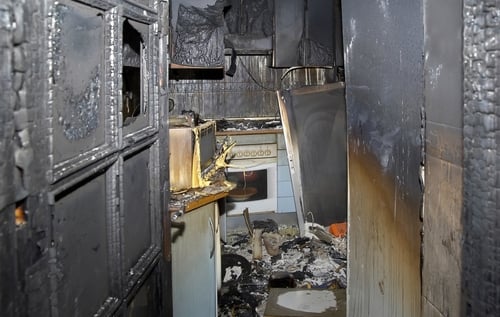
An apartment fire can upend your life in seconds. Tenants who make it out safely often have many questions: Is my lease automatically terminated? Does my landlord have to pay for my hotel? Who pays for my personal items that were damaged or destroyed? What if I have medical bills because of the fire?
The answers depend on several factors, including what caused the fire, the scope of the damage, and your state’s laws. Your lease agreement may also impact your rights and responsibilities after a fire.
In most cases, your landlord’s insurance covers damage to the building but little else. Renters insurance can help replace your personal items and cover other costs after an apartment fire. But as a tenant, you have certain legal rights. If your landlord’s negligence caused the fire or made it worse, you may also have a claim against the landlord for your losses.
Landlord Responsibilities After an Apartment Fire
Who is legally responsible for the fire damage depends heavily on who (or what) caused it. If you left an unattended candle too close to your curtains or started a cooking fire, you may be liable for some of the resulting damages and losses.
If the fire was caused by something like faulty wiring or a malfunctioning sprinkler system, then your landlord’s insurance should cover the building damage. If your landlord knew about these issues and failed to address them, they could face liability for negligence.
Determining fault in an apartment fire isn’t always straightforward, and fire investigators and insurance adjusters can take weeks or months to determine the cause(s).
Property owners generally aren’t required to pay for alternative housing for displaced tenants. However, they may offer open units in another building or complex as temporary housing while repairs are completed. As a tenant, you generally don't have to accept this offer or sign a new lease if you prefer to go elsewhere.
If you do take your landlord up on a temporary arrangement, get all details in writing, like the length of the arrangement and how your rent will change. Request updates on repairs and the expected timeline for returning to your old home.
Make Sure You Have Good Renters Insurance
The property owner or landlord’s insurance covers property damage to the building itself. But it doesn’t cover your personal belongings in your unit, like your furniture, clothing, electronics, jewelry, and other possessions. This is why having a comprehensive renters insurance policy is so important. It depends on the policy, but renters insurance may cover losses and expenses from a residential fire, ranging from a diamond bracelet to the food in your fridge.
Although your lease agreement may be terminated if your apartment is unlivable, your landlord is usually not obligated to provide or pay for alternative housing. However, some renters insurance policies cover temporary living expenses, such as hotel stays, meals, and other relocation costs. While typically included in a standard renters plan, double-check that your policy includes “loss of use” or “additional living expenses” coverage.
What Happens To My Lease After a Rental Property Fire?
A fire does not always automatically end your lease. Under the implied warranty of habitability, your lease may end if a fire destroys your rental unit or makes it unsafe or uninhabitable. Whether your lease terminates automatically depends on the extent of the damage and state landlord-tenant laws. If the apartment can be repaired within a reasonable time, the landlord may be able to repair the unit instead of ending your tenancy.
If your apartment becomes unlivable through no fault of your own, state law may let you end the tenancy without owing future rent. You may also qualify for rent relief while you are displaced. Before you stop paying, check whether you must give notice, end the lease, pay rent into a court-approved account, or take other steps. Keep copies of all messages with your landlord about the fire, repairs, rent, and your lease.
If your apartment is still livable, you may still owe rent. However, state law may allow a rent reduction if fire damage keeps you from using part of the apartment. Your landlord’s plan to make repairs does not always take away your right to end the tenancy.
What if your landlord says you can stay, but you believe fire or smoke damage makes the apartment unsafe? Contact your local housing or building-code agency and consider speaking with a tenant attorney. State law may give you options when a fire damages your apartment or makes it unlivable.
In some cases, the landlord’s actions or failure to fix serious problems may mean you are effectively evicted, even if your landlord never formally asked you to leave. To claim constructive eviction, you generally must notify your landlord, give them a reasonable chance to fix the problem, and move out within a reasonable time. The exact rules vary by state. Consult an attorney before relying on constructive eviction to break your lease or stop paying rent. Handling the process incorrectly could leave you owing rent and affect your rental history.
What About My Security Deposit?
If your lease ends because of the fire, your landlord generally must return your security deposit, but this can vary by state. If you were behind on rent before the fire, your landlord can still deduct any unpaid rent or damage to your unit that occurred beforehand.
Personal Injury and Apartment Fires
Landlords have a legal duty to keep their rental property reasonably safe for tenants and visitors. So if you or a family member were injured by the fire, your legal rights extend beyond just early lease termination and getting your security deposit back. But whether you have grounds for a personal injury lawsuit depends on the cause of the fire and whether your landlord’s negligence contributed.
For example, if your landlord ignored a known fire hazard or knowingly violated residential building codes, you may be able to pursue a claim to recover damages for your medical bills, lost wages, and pain and suffering. If you were hurt in the fire and believe your landlord's negligence played a role, you’ll want to get help from a personal injury attorney. Most work on a contingency fee, meaning you only pay (as a portion of your awarded damages) if you win.
Can I Sue if My Pet Dies in an Apartment Fire?
The specific damages you could pursue if your cat, dog, or other pet is killed in an apartment vary by state, and courts may treat it differently depending on the situation and your state’s laws. The law generally considers pets as personal property, so in many states, you may be able to recover your pet’s market value along with reasonable veterinary bills. But most pet owners facing this kind of heartbreak care a lot more about their pet’s emotional value than its market value.
Some states do allow additional compensation that recognizes the value of a pet’s bond to its owner. For example, Tennessee law allows up to $5,000 in non-economic damages in some situations involving pet loss. However, many states don’t allow owners to recover compensation for emotional distress or loss of companionship when a pet is injured or killed as a result of a negligent act.
My Apartment Building Burned Down. What’s Next?
Your safety, your family, and your pets come first. Evacuate right away. Once officials say it is safe to enter, take photos of the damage and make a list of damaged or destroyed items. You’ll need this information for insurance claims and any potential legal disputes with the property owner.
You’ll also want to keep records of costs for hotel stays, meals, clothing, storage fees, or other expenses you’ve incurred because of the fire. Even if you don’t have renters insurance, you may need these records later for some assistance programs or if you end up taking your landlord to court.
You may be eligible for programs like FEMA Disaster Assistance if your apartment was destroyed in a presidentially declared disaster and your area is approved for Individual Assistance. You can also use HUD Disaster Resources to find emergency management agencies in your community.
Prepare to be away from home for some time. Your local fire department and city officials will not allow tenants to enter the building until they deem it safe. Once you’re allowed to return, grab any essential items like medications or government documents if you don’t already have them. If any identification documents (like your driver’s license or Social Security card) were destroyed, start the replacement process as soon as possible.
Once you've relocated and are in temporary or permanent housing, send your landlord your forwarding address so they can return your security deposit. Check your state’s security deposit laws to see how long your landlord has to return your deposit and what deductions they can make.
When To Get Legal Help
Losing your home to an apartment fire can be financially and emotionally devastating. Once the ash has settled, you’ll likely have several questions, concerns, and uncertainties about your lease, security deposit, and insurance claims. Landlord responsibility after a fire is nuanced and depends on the laws in your state, the cause of the fire, and how much damage it caused. It’s natural to feel overwhelmed and to need help understanding your rights and legal options.
Situations like these often benefit from a tenant attorney’s expertise. An attorney is especially valuable in a dispute over your deposit or if you believe your landlord's negligence contributed to the fire. If you can’t afford an attorney, some cities and states offer free or low-cost legal assistance for tenant rights issues.